
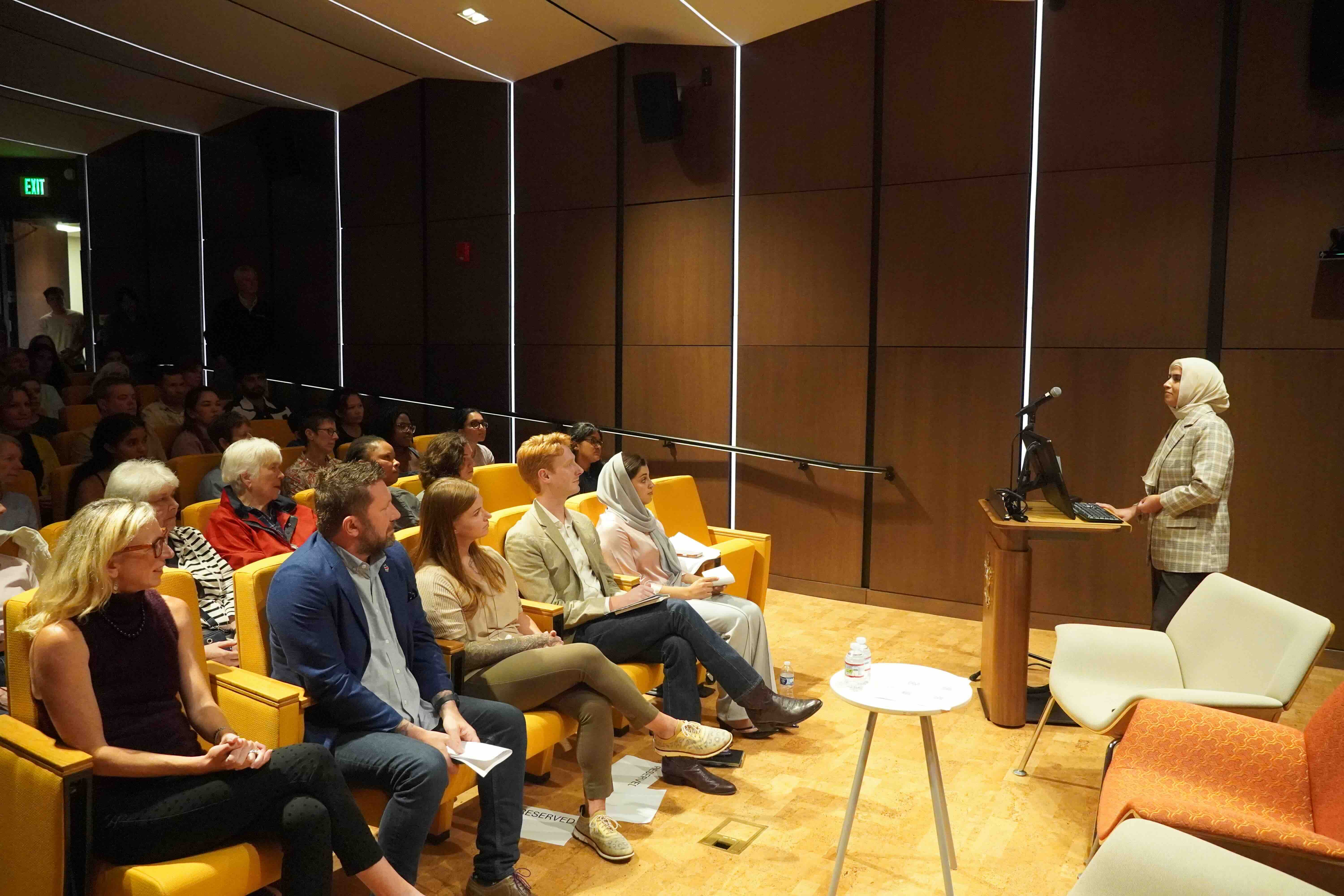
When I first had the idea for our recent event, Afghan Wartime Allies and America’s Promise, I wanted to bring a conversation we were already having through our research to a larger audience.
As a William & Mary student researcher, I have spent the past year working with an AidData team to better understand the experiences of Afghans who arrived in the United States after August 2021. Led by principal investigator Dr. Nara Sritharan and co-principal investigator Bryan Burgess, our team also includes fellow student researchers Mona Garimella, Zahra Rahimi, Sofia Hurlbert, and Naurin Alencherry. Our project, funded by William & Mary’s Applied Research and Innovation Initiative (ARII), is part of AidData’s broader migration research program.
Through interviews with Afghans who arrived in the United States after August 2021, our research team has begun to identify several patterns. Participants described struggling to translate education and professional experience from Afghanistan into comparable work in the United States. Family separation and obligations to relatives abroad continued to shape daily life, while some participants described losing health coverage or other assistance as their earnings increased. Their experiences also suggest that different immigration pathways can shape when and where the greatest burdens fall, whether during departure and transit, in the legal process after arrival, or later as people try to build stable careers and reunite with family.
I kept thinking about how we could take what we were learning beyond interviews and data. I wanted to bring together people who work directly on these issues and give students and community members a chance to hear from them.
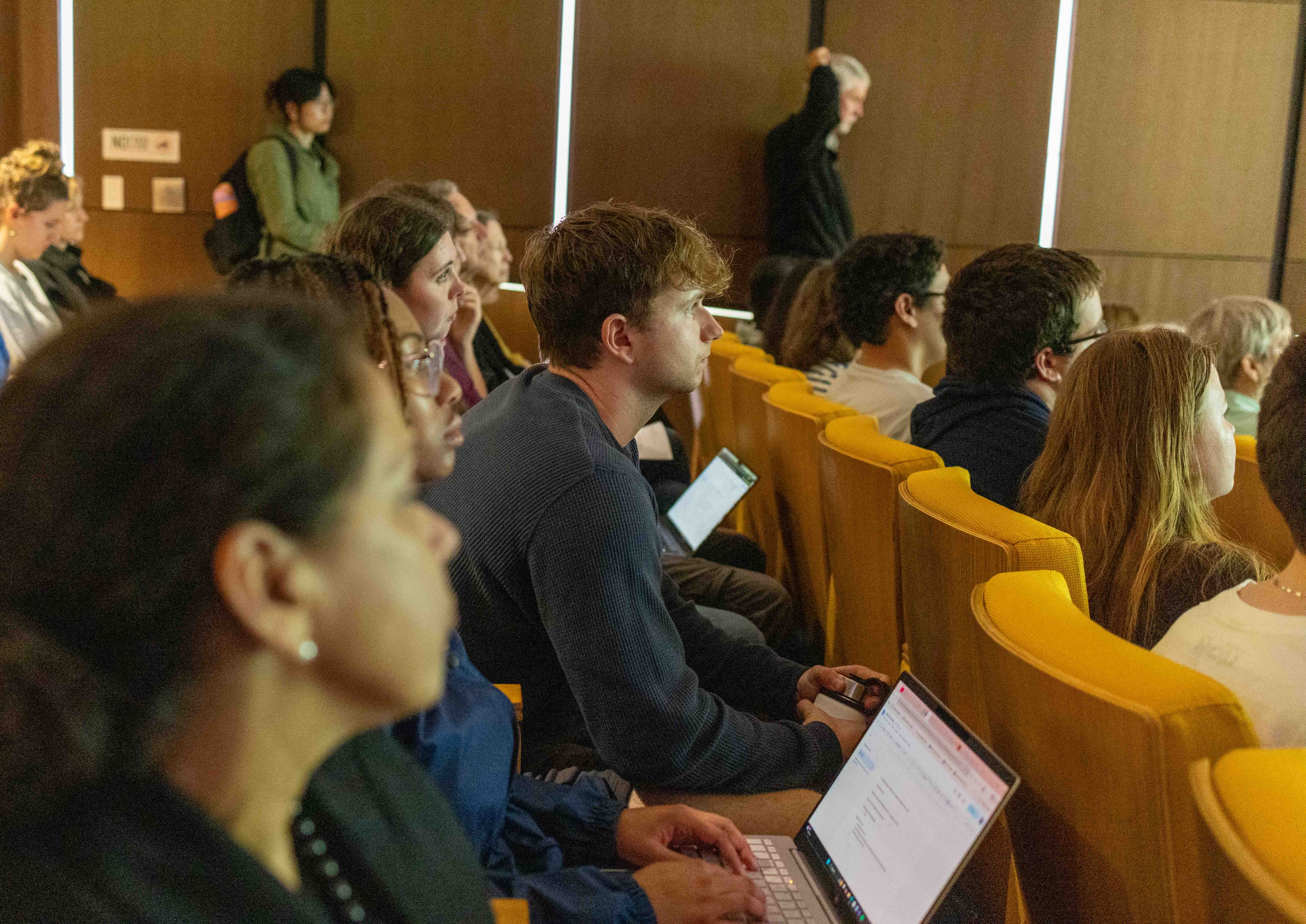
That idea became a reality on September 22, 2026, when students, faculty, staff, community members, advocates, and researchers came together at William & Mary for Afghan Wartime Allies and America’s Promise.
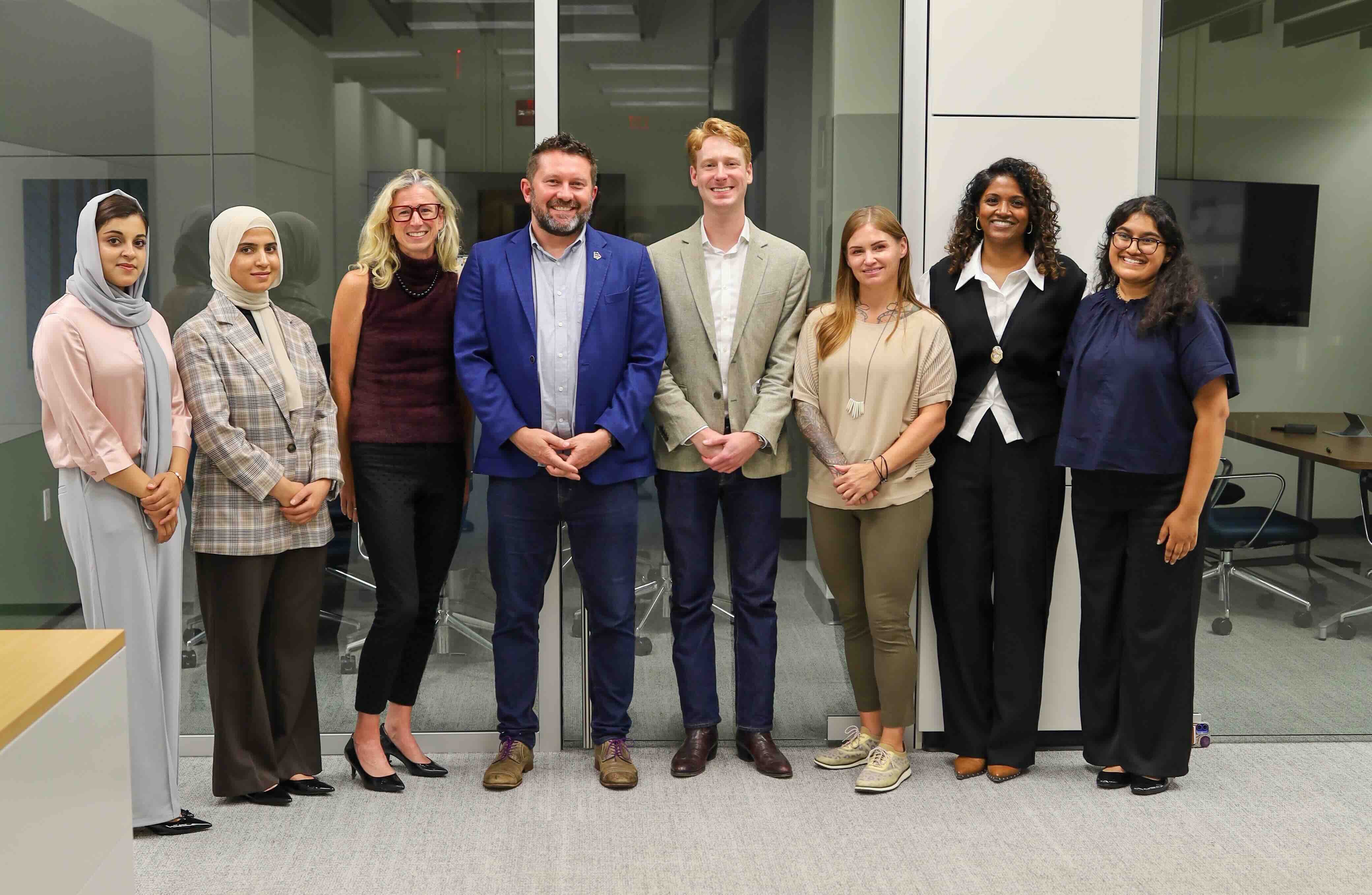
The conversation brought together Shawn VanDiver, Founder and President of AfghanEvac; Rebekah Edmondson, Co-Founder and CEO of NXT Mission; and Stacy Kern-Scheerer, Lawyer and Founding Director of the William & Mary Immigration Clinic. Bryan Burgess, Senior Policy Specialist at AidData, moderated the discussion.
One theme came up again and again: the story of Afghan wartime allies did not end with the U.S. withdrawal in 2021.
VanDiver spoke about the thousands of Afghans who worked closely with American service members and the efforts to evacuate and resettle Afghans after the withdrawal. He also talked about the people who are still waiting and about the immigration processes that he described as having slowed or stopped.
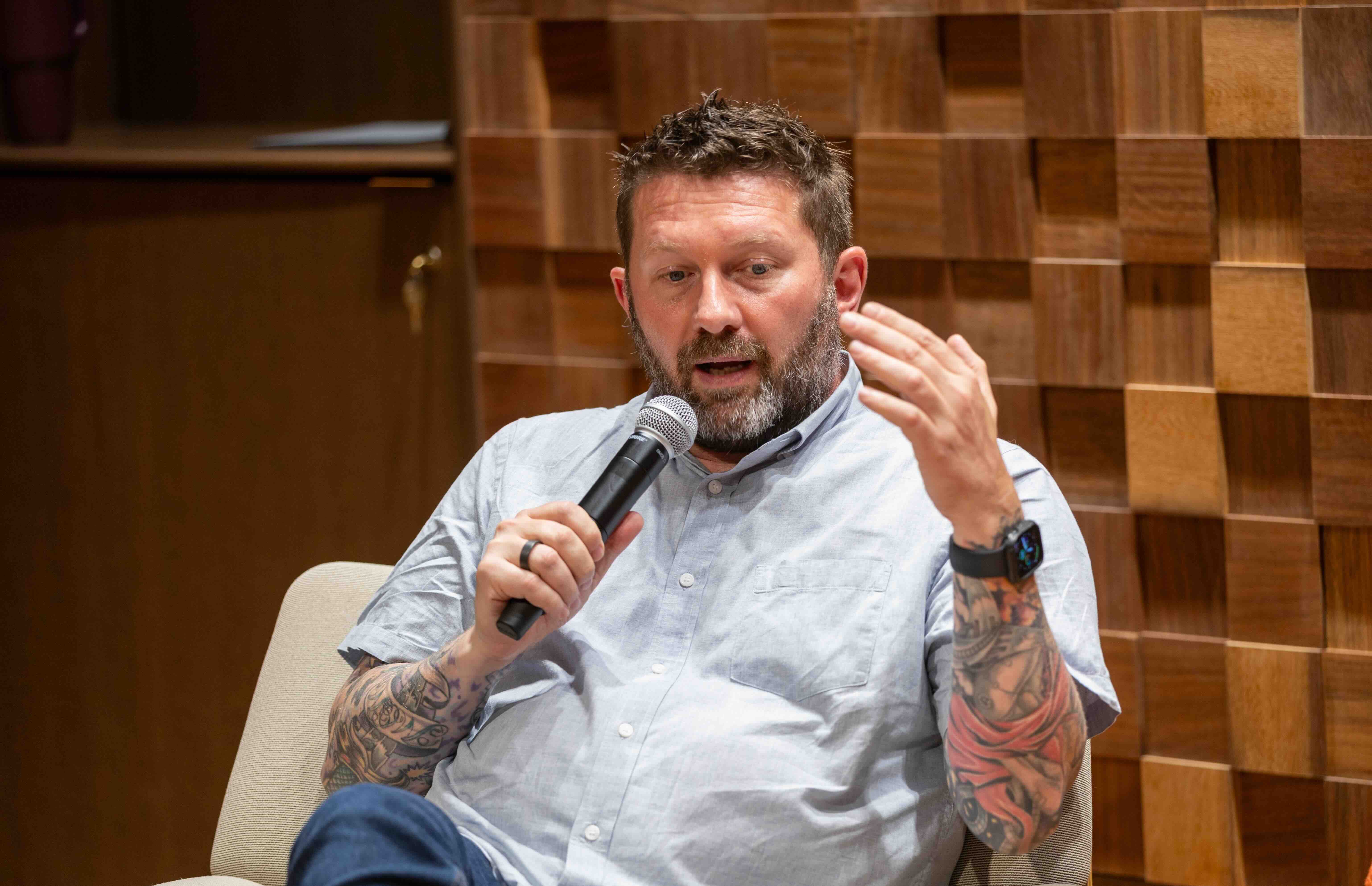
For him, keeping America’s promise means giving those who supported the United States a real chance to find safety. “Every single person who stood up for the idea of democracy and is now in danger should be here,” he said. “They should have a shot at the American dream.”
Edmondson brought another side of the story. As a member of the U.S. Army’s Cultural Support Team, she deployed to Afghanistan and worked directly with members of the Afghan Female Tactical Platoon. After the Taliban returned to power in 2021, she helped with efforts to evacuate Afghan women with whom U.S. service members had served.
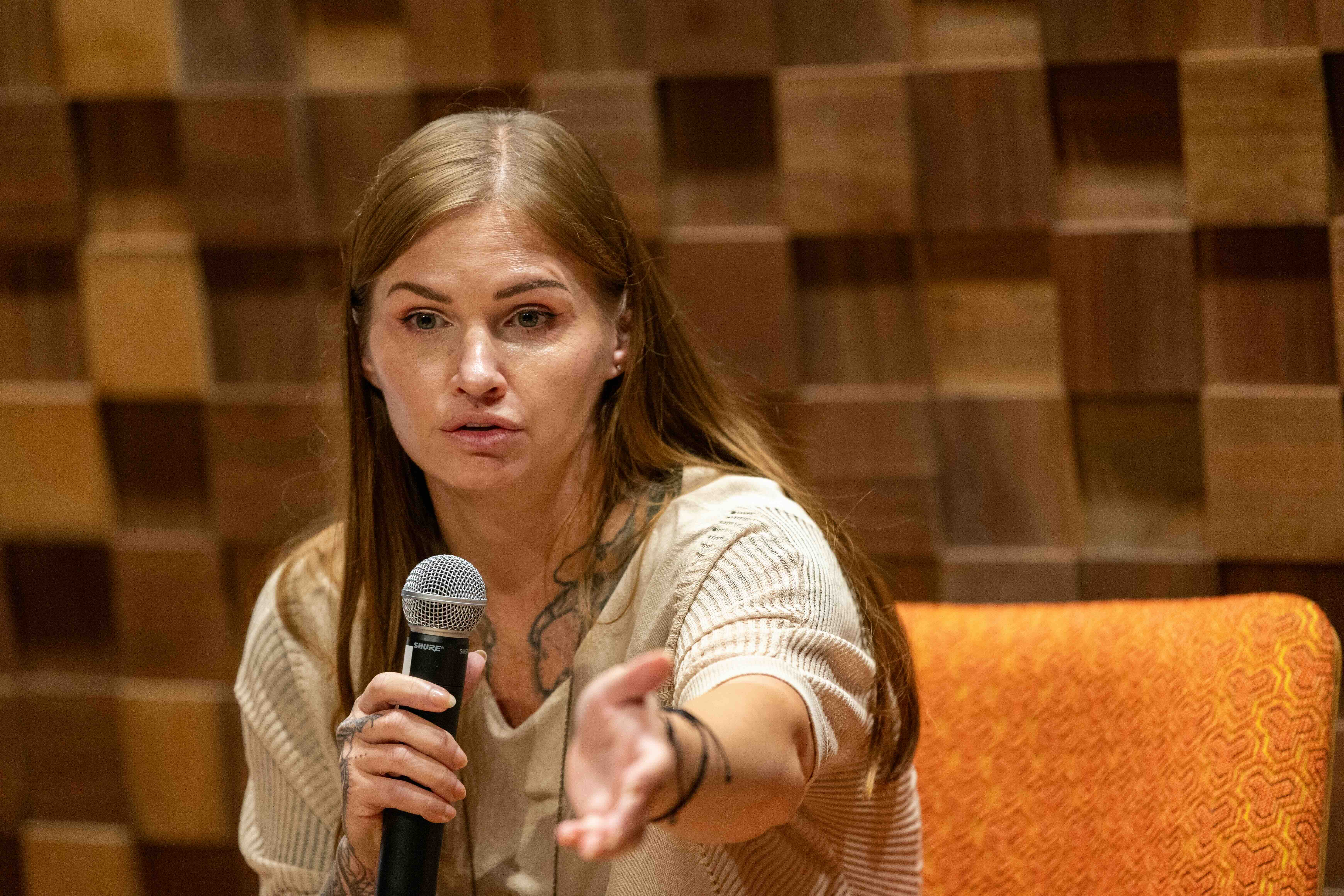
For many families, separation is one of the hardest parts. Parents, siblings, and other loved ones remain abroad while people in the United States wait for green cards and other immigration decisions. That uncertainty affects work, education, health care, and their ability to plan for the future. “How long does an individual have to just wait when they have done everything required of them?” Edmondson asked.
Drawing on her career as a lawyer, Kern-Scheerer explained the legal side of that uncertainty. Many Afghans evacuated in 2021 entered the United States through humanitarian parole. But parole itself was temporary and did not automatically provide a pathway to permanent immigration status. Those seeking to remain permanently had to qualify for another immigration pathway, such as asylum or, if eligible, the Special Immigrant Visa program or a family-based route. Through the William & Mary Immigration Clinic, Kern-Scheerer and her students have worked directly with Afghan families navigating those systems.
She also spoke about something she has seen while sitting across the table from Afghan clients: their commitment to the country they are trying to call home. “What I have seen is a patriotism that I very, very rarely see from Americans who were born in this country,” she said.
The panelists’ experiences echoed what we are beginning to see in our interviews: legal status matters, but it is only one part of a much larger integration process. Family structure, English ability, professional background, social networks, and access to support can all shape what happens after arrival. Several participants relied heavily on relatives, former colleagues, neighbors, and community organizations for help with housing, employment, transportation, or navigating unfamiliar systems. And our interviews suggest that conventional measures of “successful” resettlement can miss important parts of the story: someone can have a job and stable housing while still feeling professionally displaced, separated from family, or not yet fully settled.
Near the end of the conversation, each panelist was asked a simple question: What does keeping America’s promise to Afghan allies actually mean?
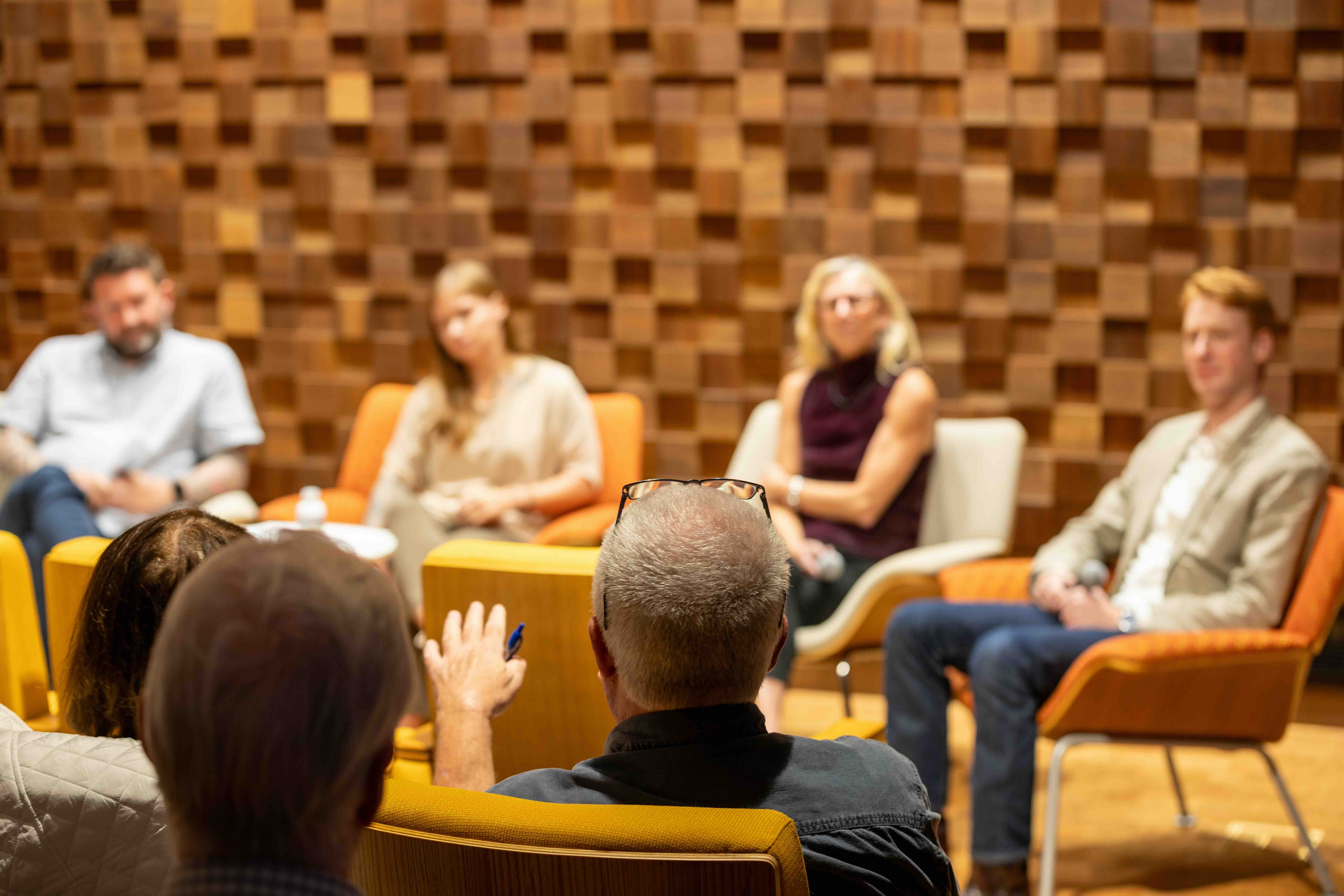
Kern-Scheerer answered it in equally simple terms. “It means saying you are safe and secure here. You belong here.”
That idea stayed at the center of the discussion. We were not only talking about what happened in Afghanistan or during the evacuation in 2021, but also about what is happening now, what remains unfinished, and how decisions made during and after the evacuation continue to shape the lives of Afghan allies and their families.

We have had several opportunities to share our research beyond interviews, including at the ARII research showcase, Charter Day, the Global Research Institute open house, the W&M Washington Center, and the Southern Political Science Association (SPSA) conference in New Orleans in January 2026. Each opportunity helped us reach new audiences, but bringing together people who work directly with Afghan wartime allies for the September event was especially meaningful to me. I am grateful to our entire research team, especially Dr. Nara Sritharan and Bryan Burgess, for their guidance and encouragement throughout this process.
Five years after the U.S. withdrawal from Afghanistan, the experiences of Afghan wartime allies are still unfolding. Seeing a full room of students, faculty, staff, and community members listening, asking questions, and engaging with these issues reminded me why I wanted to organize this event in the first place.
The event was made possible with support from William & Mary’s Applied Research and Innovation Initiative, the Whole of Government Center of Excellence, and the Global Research Institute.