
Tracking Underreported Financial Flows (TUFF) Program
Overview
Over the last 14 years, AidData has developed and refined the Tracking Underreported Financial Flows (TUFF) methodology to track grants and loans from official sector entities that do not report to international monitoring groups like the OECD's Development Assistance.
Since the beginning of the 21st century, China has dramatically expanded its overseas development finance program and established itself as a financier of first resort for many low- and middle-income countries. But Chinese donors and lenders rarely disclose the specific terms and conditions or implementation arrangements that govern their overseas development projects.
This knowledge gap makes it challenging for analysts to understand the social, economic, and environmental implications of Chinese development finance. It is also a major obstacle to evidence-based policymaking.
AidData seeks to address this problem by systematically tracking the universe of Chinese government-financed development projects and rigorously categorizing them according to established international aid reporting standards. This approach makes it possible to answer a wide range of research and policy questions about the scale, composition, aims, and impacts of Chinese development finance:
- Which countries and sectors are receiving the most—and least—Chinese development finance? How has the Belt and Road Initiative (BRI) influenced Beijing’s overseas lending and grant-giving activities??
- How are these projects being financed and which countries have the highest levels of sovereign and hidden debt exposure to China?
- Which Chinese and host country organizations are responsible for implementing these projects?
- What types of problems do Chinese development projects most and least frequently encounter during implementation? Corruption scandals, labor strikes, environmental disasters, defaults, bankruptcies, or public protests?
- Do Chinese development projects fare better or worse when they are undertaken by Chinese versus host country organizations?
- How have Chinese government-financed power plants affected economic development and human health outcomes in geographically proximate areas?

Program Areas

Tracking Chinese Development Finance
AidData's Global Chinese Development Finance Dataset, Version 2.0 is the most comprehensive dataset on China's overseas lending activities. The dataset and associated report, Banking on the Belt and Road, offer an overview of China's geo-economic strategy before and after the introduction of BRI in 2013. It details how spending patterns, debt levels, and project implementation problems have changed over time, leveraging insights from a uniquely granular dataset that captures 13,427 projects across 165 countries worth $843 billion. The dataset covers projects approved between 2000 and 2017 and implemented between 2000 and 2021. AidData is actively collecting data to update and expand coverage of the GCDF Dataset through a broader set of commitment years and recipient countries.

Research and Global Impact
AidData has filled an evidence gap by bringing greater transparency about China’s overseas development program, enabled rigorous comparative research through data standardization, given public decision makers a clear-eyed view of the changing global development landscape, and raised the bar in the collection, aggregation, and presentation of high-quality data on global development. AidData is producing research on environmental impacts of Chinese-funded projects, analyzing health sector financing, and conducting trainings on debt sustainability for stakeholders in developing countries. The release of AidData's Global Chinese Development Finance Dataset, Version 2.0 and Banking on the Belt and Road report also headlined global media coverage and resulted in extended high-level policy debate in the U.S., Pakistan, and Indonesia.

Tools for Evidence-based Policy
AidData is developing new tools for improved public decision making through evidence-based insights on development financing and their impacts. This includes analyzing objective and comparable measures of emerging challenges and opportunities from China's overseas lending program through one-to-one comparisons with established bilateral and multilateral donors. Drawing upon the Global Chinese Development Finance Dataset, Version 2.0, AidData enables researchers and policy analysts unprecedented spatial and temporal precision to better understand the form, function and impacts of projects financed by Chinese official sector institutions.
In the News
Featured Publications
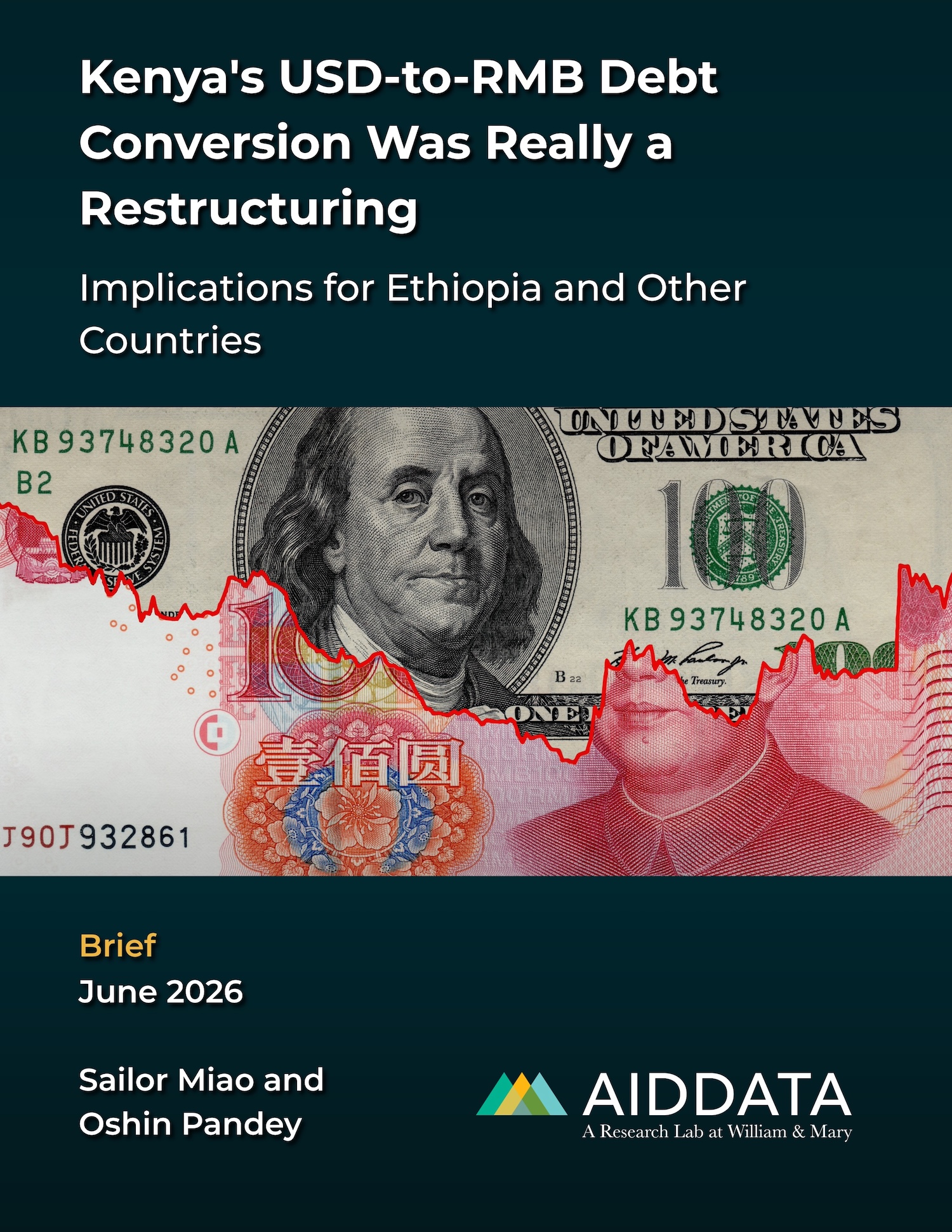



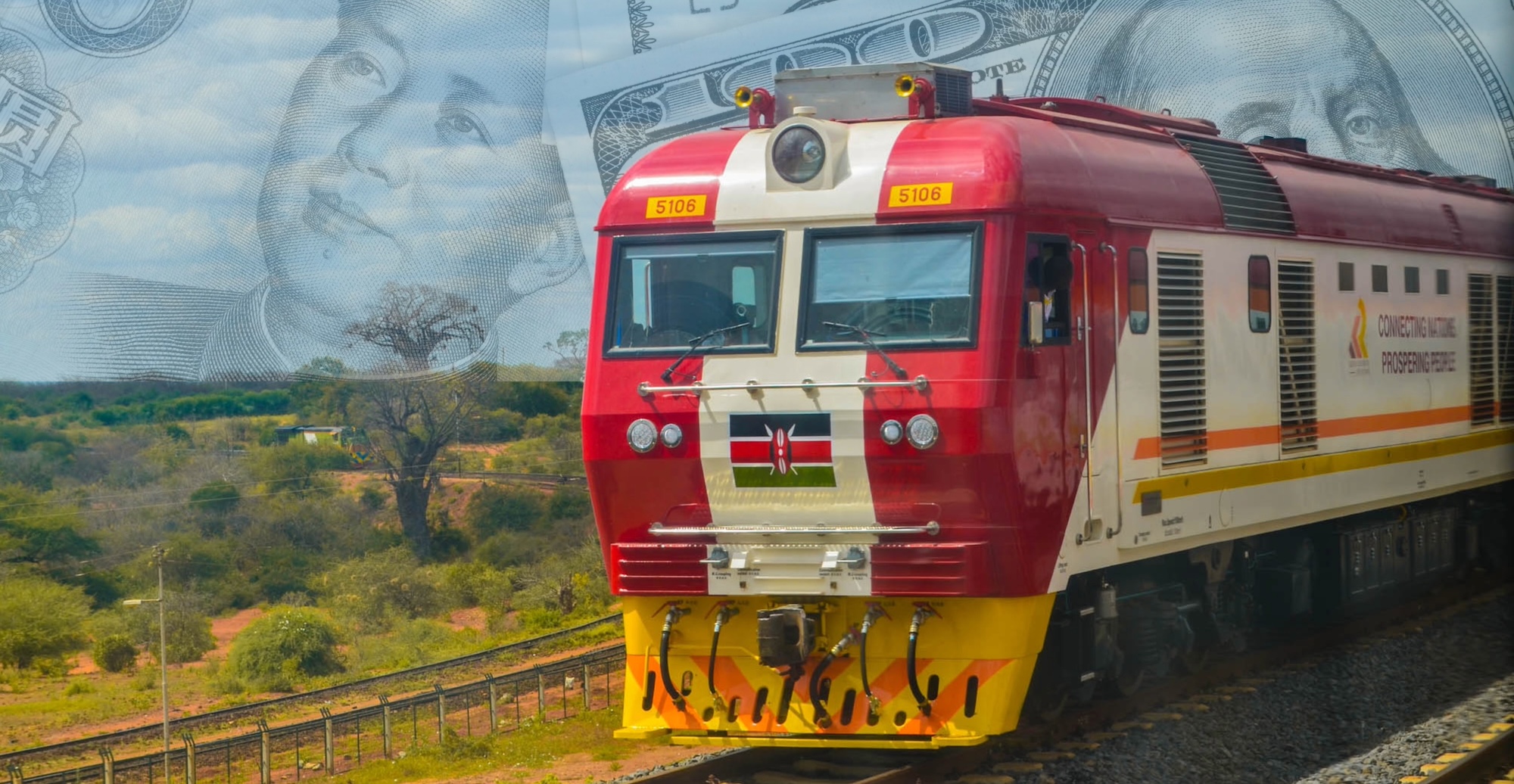
Featured Blog Posts



Program Team
For technical or research inquiries, contact:








For partnerships and media queries, contact:

Alex Wooley
Director of Partnerships and Communications